Personalized Nutrition Based on Genetic Data

Personalized Nutrition Based on Genetic Data

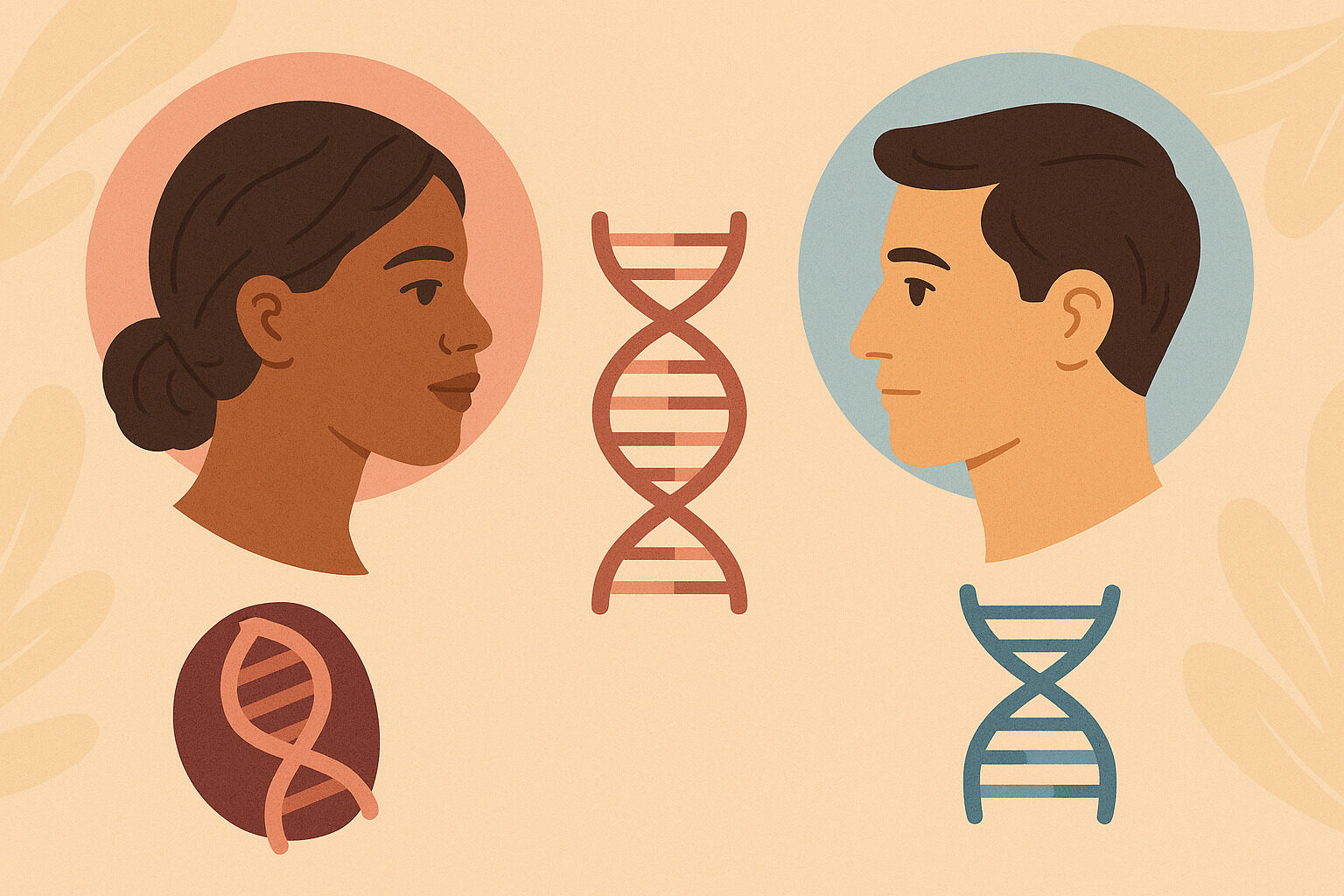
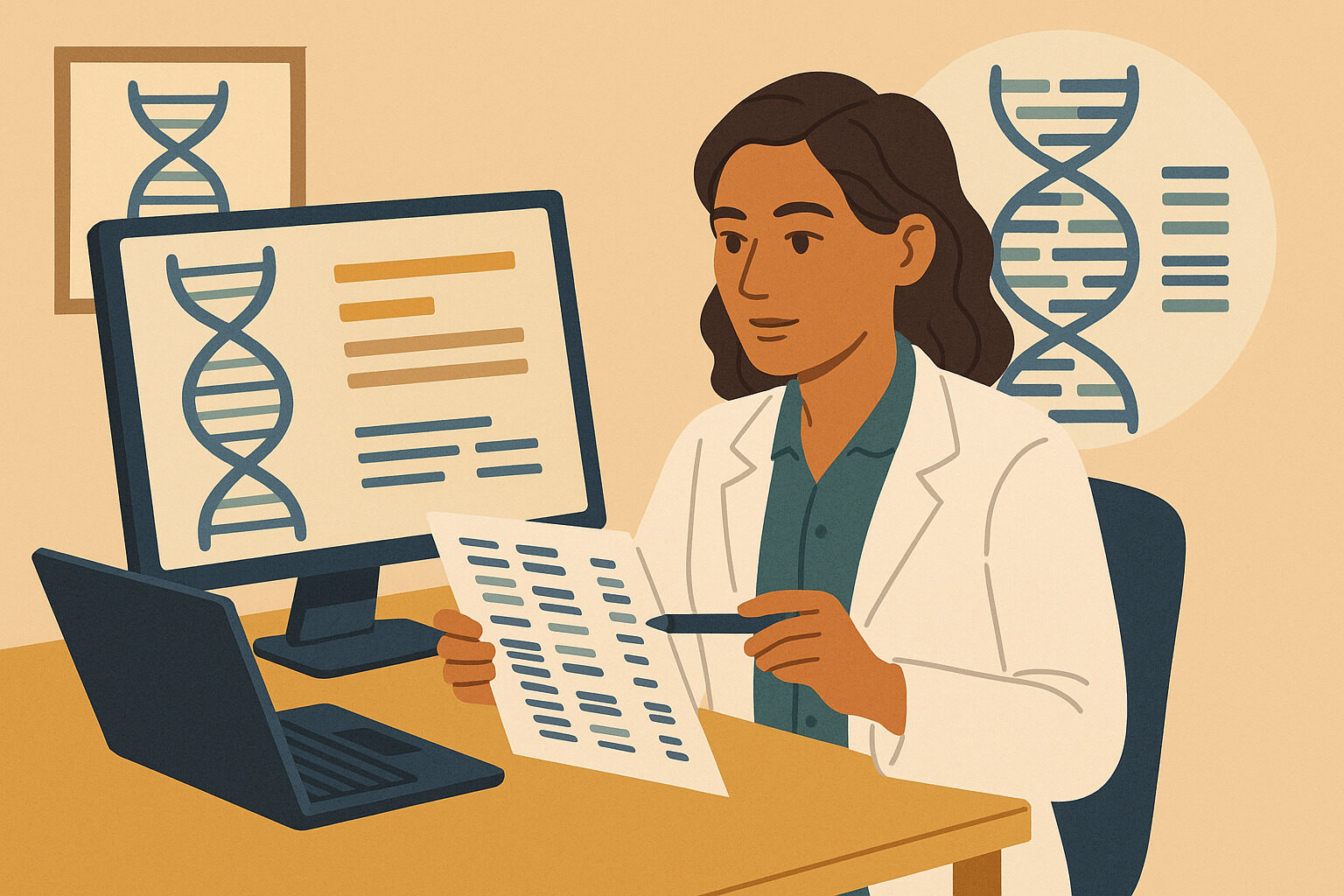
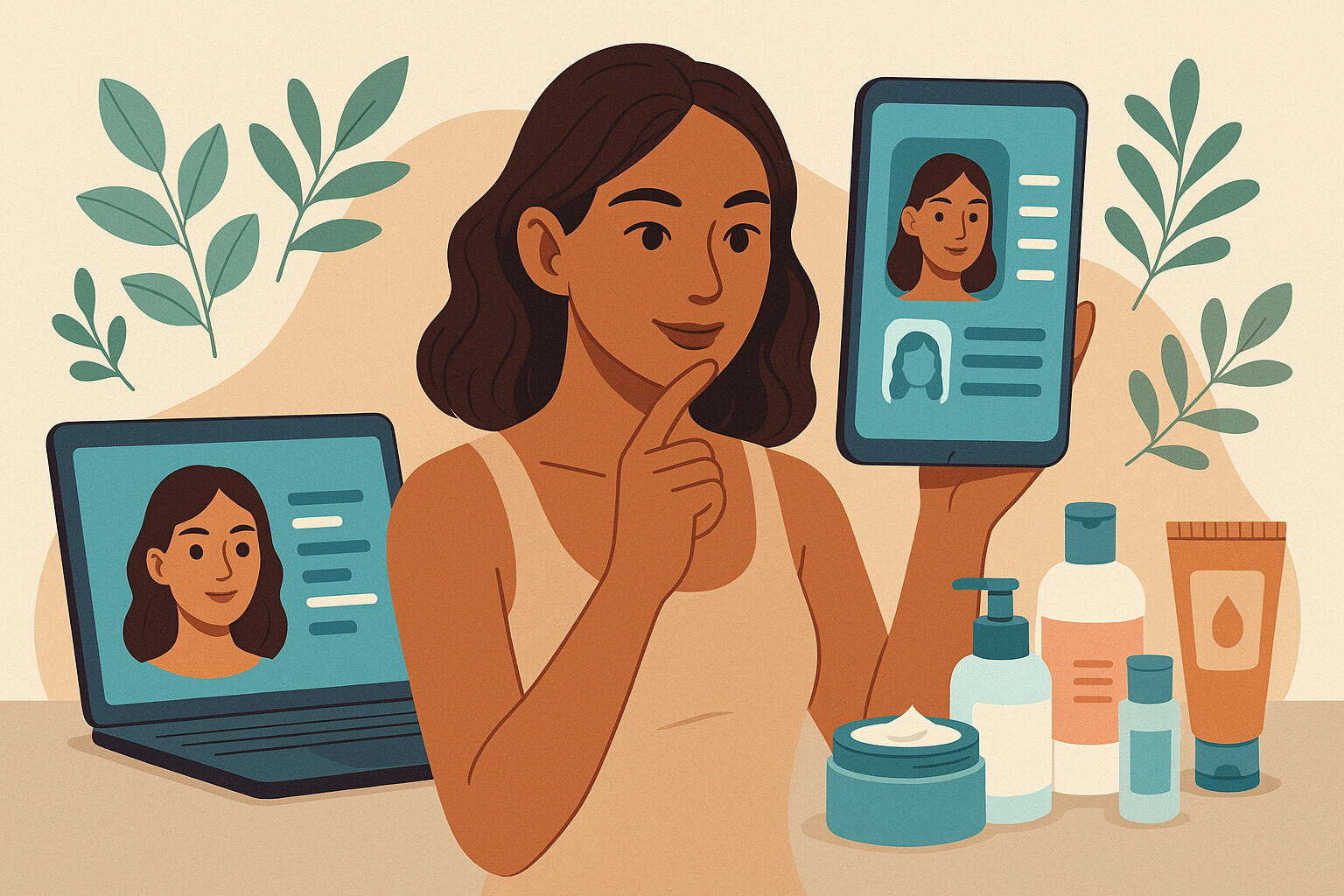
Imagine a diet that learns from your DNA and adapts as you do. Personalized nutrition based on genetic data is reshaping how we think about meals, supplements, and daily routines. It is not a magic switch that fixes every health goal, but a powerful tool that, when combined with lifestyle, lab markers, and personal preferences, can help you optimize energy, metabolism, and overall well being. At idna.works we are passionate about decoding your genes to support sustainable nutrition that fits your unique biology.

What is personalized nutrition and nutrigenomics

Personalized nutrition is the practice of tailoring dietary guidance to an individual’s genetic makeup, lifestyle, and environment. It sits at the intersection of nutrition science and genetics, a field often called nutrigenomics and nutrigenetics. In simple terms:

  • Nutrigenetics focuses on how genetic variants influence responses to nutrients.
  • Nutrigenomics studies how nutrients can affect gene expression and metabolic pathways.

Together they form a framework for understanding why two people with similar diets might experience different outcomes. The goal is to use genetic data to inform choices about macro and micronutrients, meal timing, and supplementation while recognizing that genes are one part of a much larger system.

How genetic data informs dietary choices

Genetic information can guide several practical decisions:

  • Identify potential sensitivities or requirements for certain nutrients
  • Predict patterns of fat storage, carbohydrate handling, and protein utilization
  • Screen for variants that influence nutrient metabolism and needs
  • Support decisions about supplementation and fortification

However, the evidence for individual gene effects varies. Many traits are polygenic, meaning they are influenced by many small effects across the genome. A robust personalized nutrition plan uses genetic data as one input among many, including clinical labs, body measurements, activity level, gut health, and medical history.

The science behind genotype based nutrition

Genotype based nutrition uses specific variants in our DNA to infer possible nutritional needs or responses. It is important to distinguish between strong evidence and emerging signals.

Key genetic variants that influence nutrient metabolism

  • APOE variants and lipid metabolism: Different APOE alleles can influence how the body handles fats and cholesterol. For some people, fat composition and overall fat intake may be more impactful than for others. This can inform lipid friendly dietary patterns and monitoring.
  • MTHFR and folate metabolism: Certain MTHFR variants can affect folate metabolism efficiency. This topic highlights the value of ensuring adequate folate intake and considering folate status in guidance for individuals with risk variants.
  • BCMO1 and vitamin A conversion: Variants in BCMO1 can influence how efficiently beta carotene from plants is converted to active vitamin A. This can shape plant based dietary planning and the need for preformed vitamin A in the diet.
  • FTO and energy balance: Some signals link FTO variants with appetite regulation and energy intake. Understanding this can support strategies around portion control and meal structure.
  • TCF7L2 and glucose metabolism: Variants in this gene are associated with how the body responds to carbohydrates and insulin dynamics. This can influence carbohydrate quality and timing in meals.
  • GC and vitamin D status: Variations in the GC gene can affect vitamin D binding and circulating levels, informing strategies for sun exposure, supplementation, and dietary sources.
  • TMPRSS6 and iron metabolism: Certain variants can influence iron absorption and transport, guiding iron rich foods and supplementation when needed.

These variants represent focal points in genotype based nutrition, but most individuals will have multiple variants interacting to shape their response. The real power comes from polygenic scores and an integrated view rather than relying on a single gene.

Macronutrients and micronutrients targeted by genetic insights

  • Carbohydrates: Genetic signals can shape how the body handles glucose and insulin response, guiding the balance of high fiber carbohydrates, timing of meals, and overall carbohydrate quality.
  • Fats: Variants linked to lipid handling can influence saturated versus unsaturated fat choices, omega 3 intake, and overall fat distribution strategies.
  • Proteins: Genetic insights can point to protein requirements and amino acid balance that align with muscle health and satiety.
  • Vitamins and minerals: Genes involved in folate, vitamin D, iron, vitamin A, and other nutrient pathways can affect how much of these nutrients you may prioritize through diet or supplementation.

It is important to remember that gene based nutrition is not a fixed prescription. Diet decisions should adapt as new data become available and as your body changes over time.

How to use genetic data to personalize your diet

Implementing genotype based nutrition involves a practical, step by step approach.

Step by step guide to building a personalized nutrition plan

  1. Access and secure your genetic data: You can obtain data from sequencing or genotyping services. If you already have raw data, you can work with a qualified professional or a trusted platform to interpret the results responsibly.
  2. Assess the strength of the evidence: Not all genetic associations have the same level of evidence. Favor nutrient interactions with replicated research and clear clinical relevance.
  3. Combine with phenotypic data: Use current blood work, body composition, energy levels, sleep quality, and activity data. Genetics adds context but does not replace measurements.
  4. Create a plan with clear targets: Define macronutrient distribution, micronutrient goals, and timing that align with your goals such as energy, performance, heart health, or aging concerns.
  5. Implement gradually and monitor: Try a structured trial of dietary changes and track outcomes like energy, mood, weight, lipid markers, and glucose response where available.
  6. Reassess and adjust: Revisit your plan as you gather data and as new research emerges. Personal nutrition is a dynamic process.
  7. Seek professional guidance: A registered dietitian or nutrigenomics expert can help interpret results and tailor recommendations to your lifestyle and health needs.

Practical applications and meal planning ideas

  • APOE carriers may benefit from a focus on heart healthy fats, plant based proteins, and regular lipid monitoring. This does not mean avoiding fats entirely but choosing quality fats and balancing meals.
  • MTHFR related guidance often emphasizes adequate folate intake from natural sources and, in some cases, supplementation with methylfolate when clinically indicated. Always consult a clinician before starting new supplements.
  • BCMO1 influenced styles may benefit from including vitamin A rich foods in forms that improve absorption, particularly for individuals who rely heavily on plant carotenoids for vitamin A.
  • FTO related insights can support structured meal timing and portion control strategies to help with energy balance.
  • TCF7L2 signals can guide carbohydrate quality choices such as emphasizing fiber rich, low glycemic index foods to support stable glucose handling.
  • GC variants may encourage mindfulness about vitamin D sources, sun exposure, and supplementation if needed after discussing with a clinician.
  • TMPRSS6 information may influence iron rich foods and, if necessary, iron status monitoring through standard lab tests.

Practical meal planning tips

  • Build meals around whole foods with quality proteins, vegetables, and healthy fats.
  • Choose complex carbohydrates with fiber and low glycemic impact.
  • Use a simple color coded plate method to ensure micronutrient diversity.
  • Include a regular pattern of meals to support metabolic consistency.
  • Consider strategic supplementation only after lab assessment and professional guidance.

Ancestry tests and nutrition: mtDNA and Y DNA in context

Some genetic tests used for ancestry report maternal lineage via mtDNA and paternal lineage via Y DNA. While these markers are valuable for tracing ancestry, their direct relevance to current dietary needs is limited. Some consumer providers may claim ancestry based health insights, but the evidence linking mtDNA and Y DNA variants to modern nutrition is far from established. For practical nutrition planning, focus on well supported nutrient metabolism variants and polygenic risk scores rather than ancestry results alone.

Distinguishing ancestry insights from nutritional guidance

  • Ancestry tests trace lineages, not functional nutrient responses in most cases.
  • Nutritional guidance should rely on validated gene nutrient interactions and clinically relevant data.
  • If ancestry data is included, use it to inform potential ancestry related dietary patterns only as a secondary consideration, not as the primary reason to change your diet.

The role of the microbiome and environment

Genes do not operate in isolation. The gut microbiome interacts with host genetics to influence digestion, nutrient absorption, immune function, and metabolic health. Key ideas:

  • Your microbiome can modulate how you metabolize fiber, fats, and certain micronutrients.
  • Diet shapes the microbiome, which in turn can affect energy harvest and inflammatory markers.
  • A comprehensive plan combines genetic insights with microbiome friendly strategies such as a diverse plant rich diet, resistant starch, and adequate prebiotic fiber.

In practice, data from genetic testing should be viewed alongside microbiome assessments when available, and always in the context of overall lifestyle and health objectives.

Practical considerations, limitations and controversies

Evidence quality and clinical utility

  • Some gene nutrient interactions have strong evidence, especially in well studied pathways.
  • Many associations are moderate to preliminary and require replication in diverse populations.
  • Do not expect single gene results to explain complex traits like weight or heart disease risk.

Privacy and data security

  • Genetic data is highly sensitive. Use platforms with strong privacy policies, consent controls, and data deletion options.
  • Be mindful of how data is shared with apps, labs, or third party services.

Interpretation challenges and risk of overfitting

  • Over interpreting a single variant can mislead. Polygenic approaches and clinical context reduce this risk.
  • Combine genetic data with lab measurements and lifestyle data for a balanced plan.

Ethical considerations

  • Access to genetic information should be equitable.
  • Be aware of potential psychological impacts of learning genetic information and ensure support when needed.

How idna.works translates genetics into nutrition

idna.works focuses on turning genetic data into practical nutrition guidance that fits real life. Our approach includes:

  • Clear education on nutrigenomics and how to interpret results in everyday meals.
  • A practical framework for incorporating genetic insights into meal planning and supplementation when indicated.
  • Tools to track dietary changes, monitor outcomes, and adapt plans based on data and preferences.
  • Emphasis on privacy, consent, and secure handling of genetic information.

Our goal is to empower you to make informed choices that support your wellbeing without overwhelming you with technical jargon.

Case studies and real world scenarios

  • Case 1: A middle aged adult with moderate cardiovascular risk uses APOE informed guidance to focus on heart healthy fats, plant based proteins, and a fiber rich diet with regular lipid monitoring. After a few months, lipid profiles improve and energy is steadier.
  • Case 2: A young adult with concern for carbohydrate tolerance uses TCF7L2 related insights to prioritize high fiber carbohydrates, balanced portions, and a consistent meal schedule, resulting in better energy stability and less post meal fatigue.
  • Case 3: An individual with higher iron needs, guided by TMPRSS6 related information, incorporates iron rich plant and animal foods and screens ferritin and transferrin saturation to maintain healthy stores.

These scenarios illustrate how genetic data can inform practical decisions, while recognizing that outcomes depend on consistent lifestyle habits and medical supervision when needed.

Getting started with personalized nutrition at idna.works

If you are curious about genotype based nutrition, here is a simple starting plan:

  • Step 1: Gather your genetic data from a trusted source and verify that it includes SNP level information relevant to nutrition.
  • Step 2: Review results with a nutrigenomics expert to identify high confidence nutrient guidance.
  • Step 3: Align dietary changes with clinical lab data such as lipid panels, iron status, and vitamin D levels.
  • Step 4: Create a practical meal plan that reflects your goals, preferences, and schedule.
  • Step 5: Track progress for 8 to 12 weeks and adjust as needed.

At idna.works we provide educational resources, practical guidelines, and supportive tools to help you translate genetic insights into sustainable nutrition actions.

A starter 7 day plan for genotype based nutrition

  • Day 1 to Day 3: Focus on nutrient dense meals with high fiber, healthy fats and lean proteins. Track how meals influence energy levels and digestion.
  • Day 4 to Day 5: Explore potential vitamin A and carotenoids balance based on BCMO1 insights; ensure a mix of plant sources and, if needed, preformed vitamin A in safe amounts.
  • Day 6: Assess iron intake with evidence based guidelines, particularly if you have variants linked to iron metabolism; emphasize iron rich foods and digestion friendly choices.
  • Day 7: Review results, adjust portions, and plan for the next week with a aim to stabilize energy, mood, and satiety.

This starter plan is a seed for more personalized plans. Your actual plan should be tailored to your data and goals.

The future of personalized nutrition

The field is evolving rapidly as more robust studies and large scale analyses emerge. The integration of nutrigenomics with other data streams such as metabolomics, proteomics, and microbiome profiling holds promise for more precise and dynamic dietary guidance. The best approach is to view genetic data as a useful compass rather than a definitive map, using it to guide thoughtful experimentation, professional guidance, and ongoing learning about your body.

Final thoughts

Personalized nutrition based on genetic data can illuminate pathways for enhancing energy, metabolic health, and overall wellbeing. When used responsibly, it adds a scientifically grounded layer to your health plan. Remember that genes are part of a broader system that includes lifestyle, environment, and medical history. Integrity in data interpretation, privacy awareness, and collaboration with qualified professionals are essential to making genotype based nutrition work for you.

If you are ready to begin your journey, explore how idna.works can help you translate your genetic data into practical, sustainable nutrition strategies that fit your life.
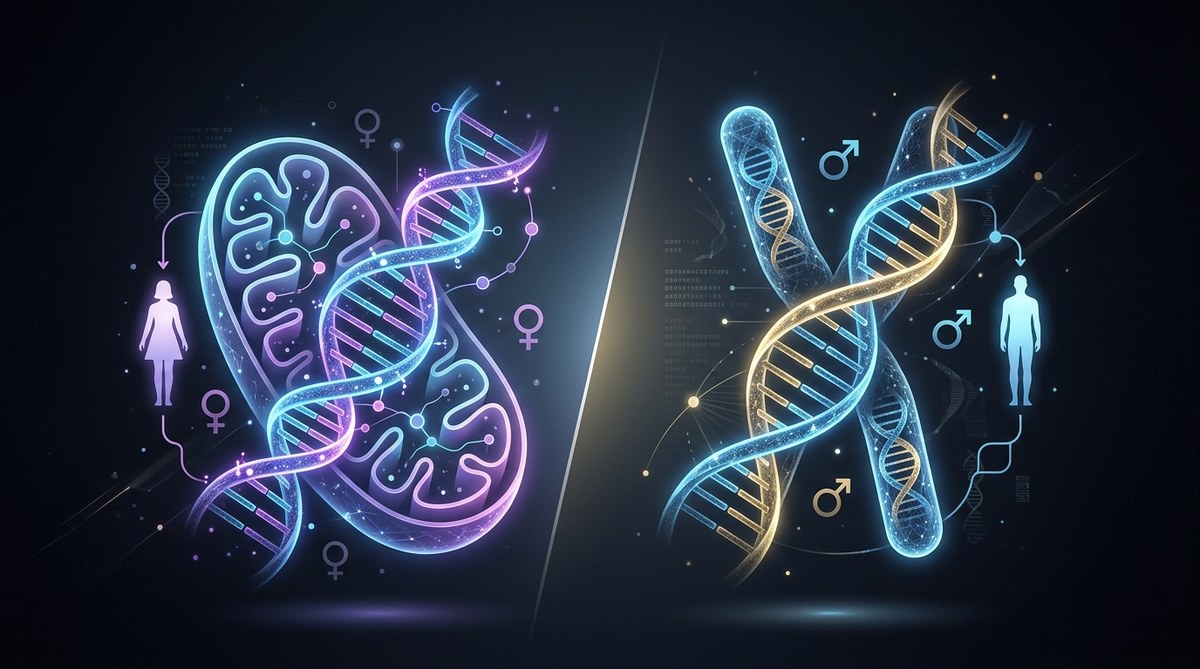

mtDNA vs Y-DNA: Key Differences for Ancestry

mtDNA vs Y-DNA: Key Differences for Ancestry

If you have ever wondered where your ancestors came from, mtDNA and Y-DNA tests offer two different paths into your family story. One path follows your mother’s mother and keeps marching along the maternal line, while the other traces your father’s line. Both tests can add depth to your family tree, and when used together with autosomal DNA they create a more complete map of your origins and even clues about health and well being. In this guide we break down how mtDNA and Y-DNA work, what they can and cannot tell you, and how to decide which test fits your goals.

mtDNA and Y-DNA explained

What is mtDNA

Mitochondrial DNA, or mtDNA, lives in the mitochondria within cells. Unlike the DNA found in the nucleus, mtDNA is inherited almost unchanged from mother to child. Because every person gets their mtDNA from their mother, it creates a direct maternal line that can be traced far back in time.

Key points about mtDNA:
– It is inherited from the mother to all her children, but only daughters pass it on to the next generation, making a matrilineal family line.
– mtDNA changes slowly over generations, which helps researchers look further back in time.
– The test typically focuses on mitochondrial DNA variants and haplogroups, not on the entire mitochondrial genome unless you opt for full mtDNA sequencing.
– It is especially useful for tracing ancient maternal ancestry and for studying population movements over thousands of years.

What is Y-DNA

Y-DNA comes from the Y chromosome, which is present only in people assigned male at birth. Since the Y chromosome is passed almost unchanged from father to son, it provides a male line of descent.

Key points about Y-DNA:
– It traces the paternal line from father to son and is only available if you test a male or a male relative who shares that line.
– Like mtDNA, Y-DNA changes slowly, but its mutations accumulate in ways that help map more recent to ancient paternal lineages.
– Y-DNA results are often presented as haplogroups that map to geographic and historical patterns of male ancestry.
– It is particularly informative for reconstructing recent to ancient paternal family stories and for understanding regional origins of the male line.

How these tests are inherited

Mitochondrial inheritance patterns

  • Every person receives their mitochondria from their mother.
  • Only daughters pass mtDNA to the next generation; sons do not pass it on.
  • Because the mtDNA line is not shuffled every generation, it acts like a single branch of your family tree that can extend far back in time.

Y chromosome inheritance patterns

  • The Y chromosome is transmitted from father to son.
  • It remains relatively stable across generations with occasional mutations that create new haplogroups.
  • If you are not male or do not have a direct male paternal line to test, you may need a close paternal relative to gain Y-DNA insights.

What you will learn from each test

From mtDNA you will learn

  • The maternal lineage deep into the past, sometimes revealing ancient migrations or settlements.
  • The mtDNA haplogroup which can be linked to broad geographic regions and population histories.
  • Clues about maternal ancestry that complement other genetic sources.

From Y-DNA you will learn

  • The paternal lineage deep into time, revealing how paternal ancestors moved and mixed across regions.
  • The Y-DNA haplogroup which guides you toward the geographic origin of male ancestors.
  • Insights into surname traditions and male line connections when combined with genealogical records.

Strengths and limitations

Strengths

  • Deep time perspective: Both mtDNA and Y-DNA can reach far back and reveal lineages that autosomal DNA cannot resolve.
  • Clear maternal or paternal lines: These tests provide a focused view on one branch of your family tree.
  • Geographical inference: Haplogroups offer hints about where ancestral populations once lived and moved.

Limitations

  • Narrow scope: They cover only one line of your ancestry each and do not reflect your entire family story.
  • Limited health information: Most mtDNA and Y-DNA tests are genealogy centric, not comprehensive health assessments.
  • Testing gender constraints: Y-DNA requires a male tester or a male relative along the paternal line to the extent you want to trace that line.
  • Resolution varies: Some haplogroups are broad and can be less informative about recent ancestry compared to autosomal or X-DNA data.

How to use mtDNA and Y-DNA with autosomal DNA

  • Combine multiple sources: Use mtDNA and Y-DNA to anchor maternal and paternal lines, then fill in gaps with autosomal DNA which reflects the mixed heritage from all ancestors.
  • Build a timeline: Haplogroup information can be used with historical records to construct a timeline of migrations and settlements.
  • Cross verify findings: If autosomal matches point to a region, mtDNA and Y-DNA can help validate whether your maternal or paternal lines align with those geographic sources.
  • Complement with family records: Use genealogical documents alongside genetic data to trace branches that match your genetic signals.

Choosing the right test for your goals

  • If your goal is to understand deep maternal lineage and ancient population movements, mtDNA testing is a strong choice.
  • If you want to map the direct paternal line and you have access to a male on that line, Y-DNA testing is ideal.
  • If you are pursuing a broad sense of ancestry and health insights, you may want to include autosomal DNA testing as part of your strategy.
  • For those with limited access to a paternal male line, there are alternative approaches such as testing a close male relative or using advanced autosomal analyses to infer paternal connections.

Practical steps to get started

  1. Define your goals:
  2. Do you want to explore maternal heritage or paternal lineage or both?
  3. Are you primarily curious about ancient migrations or more recent family connections?
  4. Check your gender and resources:
  5. If you are male or have a direct paternal male relative available, Y-DNA is a viable option.
  6. If you want to keep tracing a mother line, mtDNA is accessible regardless of gender.
  7. Decide on the depth of testing:
  8. For most hobbyist genealogy, haplogroup level tests work well.
  9. For deeper insights, full mtDNA or Y-DNA sequencing may be worth the investment.
  10. Plan how to integrate results:
  11. Prepare a simple family tree and a list of known relatives who share lines you plan to explore.
  12. Create a workflow to compare mtDNA and Y-DNA results with autosomal matches you already have.
  13. Prioritize privacy:
  14. Review consent options and data sharing settings on testing platforms.
  15. Consider how you want to share or keep your results with family members.

Health and well being connections

  • mtDNA can inform on energy production pathways and mitochondrial function, which are linked to metabolism and aging processes.
  • Certain mtDNA variants and haplogroups have been studied in relation to disease risk, longevity, and responses to environmental stressors. However, keep in mind that many health associations are population based and require further validation for individual health decisions.
  • Y-DNA can provide context about paternal ancestry and regional genetics, which may intersect with population level health trends. Yet it is not a stand alone predictor of health outcomes for an individual.
  • For personalized health plans, pair mtDNA and Y-DNA insights with autosomal DNA data and lifestyle factors such as diet, exercise, sleep, and stress management.

Important note: While genetic information can empower you to tailor wellness strategies, it should not replace professional medical advice. Use genetic insights as one part of a broader health plan that includes clinician guidance and evidence based lifestyle choices.

Privacy and ethics

  • Your genetic data is sensitive information. Review a testing company’s privacy policy, data sharing options, and consent terms before you enroll.
  • Consider whether you want to participate in third party data sharing programs or research studies.
  • If you share results with family, discuss potential implications for relatives who share these lines.

Frequently asked questions

Do mtDNA and Y-DNA tests tell me about health

In general, mtDNA and Y-DNA tests focus on ancestry and lineage. They are not comprehensive tools for diagnosing health conditions. Some studies connect certain haplogroups with population level trends but these are not precise health predictions for individuals. For personal health planning, rely on clinical tests and consult healthcare professionals.

Can mtDNA or Y-DNA pinpoint my exact origin

These tests provide geographic and population level signals rather than exact locations or names. They can indicate probable regions or lineages in deep history, but precise origin stories require corroborating genealogical records and autosomal data.

Is the test gender dependent

mtDNA works for everyone because it follows the maternal line. Y-DNA requires a male tester or a close male relative to reveal the paternal line, as the Y chromosome is present only in males.

How should I interpret haplogroup results

Haplogroups map to historical populations and geographies. They reveal broad patterns rather than a precise modern day location. Use haplogroup information alongside documentary genealogies and autosomal matches to enrich your story.

Should I run mtDNA and Y-DNA at the same time

If you want both patrilineal and matrilineal perspectives, testing both can be informative. Keep in mind cost and the need for a male for Y-DNA if you do not have one available in your family.

Bringing it all together

mtDNA and Y-DNA offer complementary windows into your family story. By focusing on maternal and paternal lines respectively, these tests fill in gaps that autosomal DNA alone cannot cover. For readers of idna.works who are passionate about decoding their genes to improve well being, combining mtDNA or Y-DNA insights with autosomal results and healthy living choices can create a richer, more actionable view of your ancestry and its possible influence on your health today.

If you are ready to embark on this journey, start with a clear goal, choose the test that fits your family structure, and plan a strategy to weave together time tested genealogical records with modern DNA science. Your roots are waiting, and a well designed approach can help you trace them with confidence while supporting your overall wellness journey.

DNA Testing Explained: What You Can Learn About Your Health

DNA Testing Explained: What You Can Learn About Your Health

DNA testing is no longer a mystery hidden behind lab walls. Today, a simple sample can unlock insights about your health, nutrition, and even how your body might respond to medications. At iDNA.works we believe decoding your genes is a powerful tool for well being, not a one size fits all solution. This guide explains what DNA testing can reveal about your health, how the tests work, the difference between ancestry and health focused tests, and how to take meaningful action based on your results.

What DNA Testing Is and Why It Matters for Your Health

DNA testing, in its most practical sense, looks for changes or variations in your genetic material that can influence how your body works. These changes can inform medical care, guide personalized wellness plans, and offer a window into your biological history. While some results indicate clear risks, others point to protective factors or areas where lifestyle choices can make a big difference.

Key ideas to keep in mind:
– DNA testing is a tool for information, not a crystal ball. Many results come with uncertainty or nuance.
– Tests can be designed for different goals, from diagnosing a suspected condition to predicting response to a medication or identifying ancestry lineages.
– The quality and interpretation of results depend on the test type, the lab that runs it, and the clinical context in which you use it.

The Core Types of DNA Tests

Genetic Testing

Genetic testing focuses on specific genes or small panels of genes. It can detect variations that cause single gene disorders, carry risk for certain conditions, or reveal how a gene is functioning in your body. There are two broad paths:
– Diagnostic or predictive testing for a known condition or risk
– Carrier testing to see if you carry a variant that could affect a future child

Genetic Testing Panels

Panels test multiple genes at once and are often used when a health professional suspects a group of related disorders. They can be comprehensive or targeted to a particular symptom or family history. Benefits include faster results and broader screening than a single gene test, but they can also reveal variants of uncertain significance that require expert interpretation.

Exome and Genome Sequencing

  • Exome sequencing focuses on the coding parts of the genome, which are where many disease related changes occur.
  • Genome sequencing reads the entire genome and can detect variants outside coding regions as well. These tests can uncover information beyond a single medical concern and are increasingly used when searching for complex or unclear conditions.

Genome Mapping and Chromosomal Testing

Chromosomal testing looks at the structure and number of chromosomes. It can reveal larger genetic changes such as duplications, deletions, or rearrangements that underlie certain conditions. This category is important when a clinical presentation suggests a broader genomic issue rather than a single gene.

mtDNA and Y-DNA Testing

  • mtDNA tests examine mitochondrial DNA, inherited strictly through the maternal line. They can trace maternal ancestry and sometimes reveal maternal lineage related health information.
  • Y-DNA tests examine the Y chromosome, inherited along the paternal line. They can trace paternal ancestry.
    Both mtDNA and Y-DNA tests are primarily used for lineage tracing. They may offer some health related insights in rare cases but are not first line tools for diagnosing health risks. In the iDNA.works framework these tests are part of the heritage story but are typically secondary to health focused testing.

Pharmacogenomics

Pharmacogenomics studies how your genes influence your response to medicines. Knowing your genetic makeup can guide drug choice and dosing to improve safety and effectiveness. This field is especially valuable when managing chronic conditions or starting new therapies.

Ancestry versus Health Testing

Direct to consumer tests marketed for ancestry can unintentionally reveal health related information. When your goal is wellness and prevention, it is important to choose tests designed for health insights and to interpret ancestry results with caution. Always consider professional guidance to translate genetic information into practical steps for health and nutrition.

How DNA Tests Are Done

Sample Collection

Most tests begin with a simple sample, such as saliva, a cheek swab, or occasionally a blood draw. Saliva and swabs are common for consumer oriented tests, while clinical tests might require blood or other tissues.

Laboratory Processing

Samples are securely shipped to CLIA certified or equivalent laboratories. There, DNA is extracted and analyzed using methods such as SNP genotyping, sequencing, or chromosomal microarray. The exact method depends on the test type and the health questions being asked.

Data Interpretation

The lab identifies genetic variants and compares them to reference databases. For health tests, professionals interpret which variants are clinically meaningful, how they alter disease risk, and what actions might be taken. Interpretation can be complex, especially when a variant has uncertain significance.

Reporting and Counseling

Results are reported in a format tailored to the test type. Clinical tests usually come with genetic counseling or clinician support. Direct to consumer reports are more consumer friendly but may require a healthcare professional for full interpretation.

What DNA Testing Can Tell You About Your Health

DNA testing provides a spectrum of information that can influence your wellness decisions. Here are common outcomes you might encounter.

  1. Disease risk and predisposition
  2. Some variants are associated with higher risks for certain well known conditions.
  3. It is important to understand that risk is probabilistic, not deterministic. A variant does not guarantee you will develop a disease, and many people with high risk never get the condition.

  4. Diagnostic support

  5. For people with unclear symptoms, genetic tests can help confirm a suspected diagnosis or suggest a different path for evaluation.

  6. Carrier status

  7. Carrier tests identify if you carry a variant that could be passed to a child. This is especially relevant for family planning.

  8. Pharmacogenomics

  9. Genetic information can influence which medications work best for you and at what doses. This can reduce adverse effects and improve outcomes.

  10. Wellness and lifestyle implications

  11. Some results point to actionable steps in nutrition, exercise, sleep, and anti aging strategies based on how your body metabolizes nutrients or responds to stress.

  12. Family planning and reproduction

  13. Beyond disease risk, certain genetic findings can inform reproductive options and early interventions.

  14. Ancestry context with health insights

  15. Some health reports alongside ancestry information can provide a broader view of your heritage and any population specific risks, though ancestry data should be interpreted cautiously.

Important caveats:
– Not all variants have clear clinical meaning. Many are variants of uncertain significance and require follow up.
– Environmental and lifestyle factors play a major role in outcomes. Genetics is only part of the story.

mtDNA and Y-DNA in Health and Heritage

mtDNA and Y-DNA testing have their roots in lineage tracing. They are powerful for building genealogies and understanding ancestral origins. When it comes to actionable health insights, their value is more limited. Here is how they relate to health and ancestry:

  • Maternal line tracing: mtDNA is inherited from your mother and can help identify maternal lineage and population origins.
  • Paternal line tracing: Y-DNA follows the paternal line and is only present in individuals with a Y chromosome.
  • Health relevance: In some very specific scenarios, mitochondrial DNA variations can be linked to certain mitochondrial disorders, but these are relatively rare and typically assessed in targeted clinical contexts rather than broad wellness testing.
  • Practical takeaway: If your main goal is wellness and disease risk assessment, mtDNA and Y-DNA tests are generally supplementary to genome oriented tests.

Pharmacogenomics and Personalization

Pharmacogenomics is one of the most actionable areas of DNA testing for health. By understanding how your genes influence drug metabolism, you can work with a clinician to:

  • Avoid drugs that are less effective or cause adverse reactions
  • Tailor dosing to optimize efficacy and safety
  • Understand potential drug interactions that may be influenced by genetics

Practical steps:
– If you start a new medication, share your genetic test results with your doctor.
– Use pharmacogenomic insights to guide conversations about treatment options.
– Recognize that drug response is multifactorial; genetics is one piece of the puzzle.

Reading a DNA Test Report and Turning Insight into Action

Interpreting genetic information can be challenging. Here are steps to make results actionable:

  1. Confirm the test type and scope
  2. Was it a single gene, panel, exome, or whole genome? Understand what was tested and what was not.

  3. Look for clinically meaningful findings

  4. Focus on variants labeled pathogenic or likely pathogenic by reputable laboratories and supporting guidelines. Variants of uncertain significance require careful interpretation.

  5. Review actionability

  6. Ask whether the result suggests a specific medical plan, lifestyle change, or further testing.

  7. Consider context

  8. Family history, age, current health status, and other risk factors matter when applying results to your life.

  9. Consult a professional

  10. Genetic counselors, clinicians, or nutrition experts can translate results into clear steps aligned with your goals.

  11. Plan follow up

  12. Some findings require periodic re analysis as databases update and scientific knowledge expands.

Risks, Privacy, and Ethics to Consider

  • Privacy and consent: Understand who can access your data and how it may be shared. Some direct to consumer tests share data with third parties for research or product development.
  • Incidental findings: Some tests may reveal unexpected information. It is important to know whether you can opt in or out of such results.
  • Accuracy and representation: Tests have limitations and may not capture every relevant variant, especially across diverse populations.
  • Genetic counseling needs: Complex results often require guidance from trained professionals to avoid misinterpretation.
  • Data security: Ensure the lab uses robust security measures and clear policies about retention and deletion of data.

How to Use Genetic Information for Health and Wellness

  • Nutrition and metabolism: Some tests indicate how you process fats, carbs, and certain vitamins, guiding personalized dietary choices.
  • Exercise and recovery: Genetic insights can inform training strategies and recovery approaches, though lifestyle remains a key factor.
  • Anti aging and longevity: Genetics can highlight potential vulnerabilities and areas where proactive wellness practices may slow down aging processes, but there is no magic bullet. Combine genetics with evidence based lifestyle choices for best results.
  • Sleep and stress responses: Some variants relate to circadian rhythms or stress responses. Use this information to tailor sleep hygiene and stress management practices.

Remember, iDNA.works emphasizes translating gene insights into practical steps for well being. DNA information is powerful when paired with good nutrition, regular physical activity, adequate sleep, and smart medical care.

When to Consider a DNA Test

  • You have a known family history of genetic disease and want to understand risk and screening options.
  • You are considering medication choices that may be influenced by your genetics.
  • You want a deeper look into how your body handles nutrients and supplements.
  • You are curious about ancestry alongside health insights but want to align expectations with the test type.

If you are unsure, start with a conversation with a healthcare professional or a genetic counselor who can explain what makes sense for your goals and help interpret results in the context of your overall health plan.

Choosing the Right Test for You

Selecting the right DNA test depends on your goals, budget, and how you plan to use the information. Here are practical guidelines:

  • Define your goals: Are you seeking disease risk information, pharmacogenomic data, reproductive planning, or personalized nutrition insights?
  • Understand the scope: Do you need a single gene test, a panel, exome, or whole genome? Remember that broader tests may reveal more information, including uncertain findings.
  • Check the setting: Clinical testing often includes genetic counseling. Direct to consumer tests may be faster and cheaper but require careful interpretation with professional support.
  • Consider ancestry vs health priorities: If ancestry is a factor, still prioritize health oriented tests if your goal is wellness and medical decision making.
  • Review privacy policies: Look for clear consent language, data usage details, and options to limit data sharing.
  • Talk to a professional: A genetic counselor or doctor can guide you on test selection, how to prepare, and how to act on results.

The Future of DNA Testing in Health

The field is moving toward more integrated and personalized approaches, including:

  • Polygenic risk scores: Combining many small genetic effects to assess disease risk with more nuance.
  • Multi-omics integration: DNA data paired with RNA, proteins, metabolites, and microbiome data to create a richer health picture.
  • Digital health and AI: Advanced analysis tools to interpret results and predict how lifestyle changes will influence outcomes.
  • More precise pharmacogenomics: Shifting from broad guidelines to drug choices perfectly tailored to your genetic makeup.

As science advances, DNA testing will likely become more accessible, accurate, and integrated into everyday wellness plans. The goal remains clear: empower individuals to make informed decisions that support long term health and vitality.

Practical Steps After Getting Your Results

  • Schedule follow up: Arrange a visit with a healthcare professional to review findings in the context of your health history.
  • Build a personalized plan: Work with a clinician or nutritionist to translate results into dietary tweaks, exercise plans, sleep strategies, and supplement considerations if needed.
  • Reassess periodically: Keep results in scope and stay updated as new research emerges. Some variants may change in significance as guidelines evolve.
  • Protect your data: Be mindful of privacy settings and understand how your data is used.

FAQs

  • Do all DNA tests predict illness?
    Not all tests can predict illness with certainty. Many tests identify risk variants that increase probability but do not guarantee disease. Use results as a guide in partnership with a healthcare professional.

  • Can I rely on a direct to consumer DNA test for medical decisions?
    For many situations a clinician guided approach provides the safest interpretation. Direct to consumer tests can be informative but should not replace professional medical advice for diagnosing or treating conditions.

  • Will my DNA results affect my insurance?
    Some countries have protections that limit the use of genetic information for insurance. Policies vary widely, so review local laws and coverage details before testing.

  • How often should I recheck my genetic information?
    Genetic knowledge is evolving. Reanalysis may be recommended when new guidelines or significant research updates emerge, or if your health status changes.

  • Is mtDNA or Y-DNA testing useful for health decisions?
    They are primarily useful for ancestry tracing. If your main goal is health information, focus on genome oriented tests and seek professional interpretation.

Final Thoughts

DNA testing offers a powerful avenue to understand how your genes influence health, nutrition, and the way your body handles medications. At iDNA.works we celebrate the promise of personalized wellness while acknowledging the limits of what genetic information can tell us. Use tests to inform lifestyle choices, guide conversations with health professionals, and empower yourself to take proactive steps toward a healthier future. The journey from gene to well being is a partnership between your DNA information, your daily habits, and the care you choose to pursue.

If you are curious about how DNA can help your unique path to anti aging, nutrition optimization, and personalized health tech, start with a clear goal, choose the right test for that goal, and seek expert interpretation to turn results into real improvements in your daily life.

How Genetic Testing Platforms Protect Your DNA Data

How Genetic Testing Platforms Protect Your DNA Data

DNA data feels personal because it is personal. It can hint at ancestry, traits, and health risks that you might not even know about yet. That makes it different from the usual account details you type into a website. If a password leaks, you can change it. If genetic data leaks, there is no reset button. That is why serious genetic testing platforms treat security as the base layer, not a feature. The goal is simple: keep your data private, keep systems resilient, and keep access tightly controlled from the first click to long term storage.

One of the earliest checkpoints is the connection between your browser and the platform. If that encrypted connection is weak, everything built on top of it is shaky. Teams commonly validate their setup with a TLS encryption scanner to confirm modern protocols are enabled and older options are not. This is not about perfection. It is about lowering risk in the places attackers look first, where traffic can be intercepted and where mistakes are easiest to exploit.

What Makes DNA Data Worth Extra Protection

Genetic data is sticky. It can identify you even when obvious identifiers are removed. It can also reveal information about relatives who never signed up for anything. That makes privacy decisions heavier. It also raises the cost of mistakes. A platform can be doing great science while still failing users if its security posture is casual. The safest platforms assume that every layer can be probed, from login pages to storage buckets to lab integrations. They reduce what can be learned from the outside and restrict what can be done from the inside.

People often focus on how results are generated, what gets sequenced, how traits are inferred. Those details matter, but the protection story starts earlier. The moment you understand DNA testing basics, it becomes clear that sensitive handling is not limited to lab equipment. There is a chain of custody that includes your account, your sample identifier, the raw sequence output, and the report you read. Each link in that chain needs safeguards.

Security Begins Before the Lab Touches Your Sample

Many platforms now offer a smooth onboarding experience, shipping, registration, status tracking, and results delivery. That convenience creates new security pressure. Every step creates an opportunity for data exposure if designed poorly. Account sign up must resist automated abuse. Sample registration must prevent mix ups and impersonation. Status pages must not leak details through predictable URLs. Even customer support workflows matter, because social engineering is often easier than hacking. A strong platform builds defensive friction only where it helps, then keeps everything else simple for real users.

At the infrastructure level, the key idea is controlled surfaces. The public facing site should reveal as little as possible. The internal services should be segmented. The lab pipeline should not have open paths into user systems. The database that stores raw genetic files should not be reachable from the internet. These boundaries reduce blast radius. If one component is compromised, it should not automatically unlock everything else.

Hiding Clues Attackers Use to Target Systems

Attackers do not always start with a clever exploit. Often they start with metadata. Server headers, framework fingerprints, verbose error pages, and exposed version strings can point directly to known vulnerabilities. That is why mature platforms suppress details that do not need to be public. They tune web servers to avoid advertising versions. They standardize error responses. They remove default pages. They limit what can be learned from basic scanning.

A practical way to validate this is a server version exposure check. If a platform leaks its server stack, it creates unnecessary risk. If the stack is also outdated, risk rises quickly. Even when systems are fully patched, limiting what is disclosed still matters. Silence forces attackers to work harder. That usually means they move on to easier targets.

Why Minimizing Data Is a Form of Protection

Security is not only about walls. It is also about reducing what exists behind the wall. Many platforms now follow a strict data minimization approach. They collect only what is needed to provide the service. They separate identifiers from raw genetic files. They apply retention limits. They avoid storing extra attributes that add risk without adding value. This matters because stolen data is only as damaging as what was stored in the first place.

Good minimization also includes thoughtful architecture. User identity data, billing data, and genetic data should not live in one easy pile. They should be separated by design. That separation can support privacy even during internal operations. It also supports better consent controls, because it is easier to delete or restrict one dataset without touching others. Discussions of health data integrity often highlight traceability and access discipline. Even when a platform does not use blockchain, the same mindset applies, keep access narrow, keep logs clear, and keep permissions explicit.

Five Layers That Usually Sit Behind a Safe DNA Platform

A strong genetic testing platform uses layered security because single points of failure are inevitable. It helps to think in layers, not features. Each layer narrows exposure and adds friction for attackers while staying invisible to normal users. The five layers below show how platforms typically stack their defenses.

1. Encrypted connections with strict TLS settings protect data in transit.

2. Hardened servers reduce fingerprinting and block common exploitation paths.

3. Segmentation isolates public systems from sensitive storage and lab pipelines.

4. Encryption at rest protects stored genetic files and backups.

5. Monitoring and response processes catch problems early and limit damage.

These layers overlap on purpose. If one layer fails, another still helps. If a server is misconfigured, segmentation can prevent access to the most sensitive systems. If credentials are stolen, monitoring can detect abnormal activity. If a database snapshot leaks, encryption at rest can reduce what is readable. This is the core idea, reduce risk at every step, then reduce it again.

Encryption Is Not Just a Checkbox

Encryption is easy to talk about and easy to misunderstand. For genetic platforms, encryption must cover multiple flows. There is the web session between you and the platform. There is file transfer between internal services. There is storage encryption on databases and object stores. There is encryption on backups. There is encryption for keys themselves, with careful key handling. If any one of these areas is neglected, it can become the weak link that undoes the rest.

Key management is the part most users never see. Keys should be stored in dedicated systems, not in plain configuration files. Access to keys should be restricted and logged. Keys should be rotated on a schedule. If a key is ever suspected to be exposed, the system should support rapid rotation. None of this changes your experience as a user, but it changes the security reality dramatically.

Access Controls That Treat DNA Like the Sensitive Asset It Is

Internal access is where many breaches become painful. A platform can have great perimeter defenses while still allowing too many staff members to see too much. Mature platforms define roles carefully. Support staff should not see raw genetic files. Data scientists should not see personal identifiers unless needed and approved. Lab operations should use pseudonymous sample IDs where possible. Administrative actions should require stronger authentication. Every exception should be documented and time limited.

Audit logging matters here. Not just for compliance, but for trust and investigation. Logs should capture who accessed what, when, from where, and why. Logs should be protected from tampering. They should be monitored for unusual patterns, such as bulk exports, late night access, or repeated failed access attempts. The goal is accountability that works even when something goes wrong.

A Listicle of Quiet Safeguards Users Rarely Notice

  • Rate limiting that slows automated guessing without slowing normal browsing.
  • Session protections that prevent hijacking when someone tries to steal cookies.
  • Secure upload handling that scans and validates files before processing.
  • Restricted admin panels that are not exposed to the public internet.
  • Backup discipline that encrypts snapshots and limits who can restore them.
  • Separate environments that keep testing systems away from real user data.

Monitoring That Catches Problems Before Users Do

Even strong defenses are not enough without visibility. Genetic platforms use monitoring to watch for patterns that hint at intrusion, misconfiguration, or abuse. This includes traffic anomalies, authentication spikes, unusual database queries, and unexpected access paths. The best monitoring is boring most days. It becomes valuable on the day something weird happens, because it turns panic into a checklist.

Incident response is the partner to monitoring. Platforms should have a plan for containment and recovery. They should know how to rotate keys, revoke sessions, disable compromised integrations, and restore from clean backups. They should rehearse this. It is hard to improvise under pressure. Preparation reduces downtime and reduces exposure.

Security Choices That Affect Real People

Security can feel technical, but the consequences are human. A leak can lead to fear and confusion, not just identity theft. People may worry about employers, insurers, or family members learning sensitive information. They may feel violated because genetic data can reveal intimate truths. That is why platforms also focus on communication and consent. Users should have clear control over how data is used. They should be able to delete accounts. They should be able to opt in or opt out of research uses, with language that is readable and specific.

Many platforms also provide education, explaining what is stored, what is shared, and what is not. This is part of protection. Clarity reduces accidental oversharing. It also reduces the chance that users misunderstand what a platform can or cannot do. Trust grows when expectations match reality.

A Practical Table of Controls and What They Reduce

Control What it reduces Why it matters for DNA
Strong TLS configuration Interception during login and upload Stops eavesdropping on highly personal data
Server hardening Targeted exploitation from fingerprinting Reduces attacks aimed at known stack flaws
Segmentation Lateral movement after a breach Keeps raw genomic storage away from public systems
Encryption at rest Readable data from stolen storage Protects backups and retained raw data files
Audit logs and monitoring Silent misuse and slow exfiltration Helps detect suspicious access to sensitive records

Compliance and Ethics, Not Just Security Engineering

Platforms that handle genomic data often align their policies with health privacy norms, even if consumer services sit in a gray area depending on region and model. A useful reference point is the privacy framework around medical information described by the HHS HIPAA overview. The details vary, but the spirit is consistent. Limit access, protect transmissions, document safeguards, and be transparent about rights and responsibilities.

Ethical handling shows up in day to day decisions. How consent is written. How research partnerships are approved. How deletion requests are processed. How long raw data is retained. Whether anonymization is real or superficial. These are not abstract questions. They shape whether users feel safe participating in a system that can improve health outcomes but can also expose deeply personal information if mishandled.

How to Judge a Platform Without Reading Security Jargon

Most people do not want to evaluate cipher suites or parse server headers. That is reasonable. There are still practical signals you can look for. Does the platform explain how data is protected in plain language? Does it offer multi factor authentication? Does it clearly support deletion requests? Does it separate account identity from raw genetic data? Does it describe how research use works, with real choices? Does it publish any transparency notes about data handling and access? These signals do not guarantee perfection. They indicate maturity.

A platform that avoids specifics and relies on vague promises should raise your guard. Serious platforms know that trust requires clarity. They also know that attackers read marketing pages too. They avoid oversharing technical details while still explaining the protective approach in a way users can understand.

Keeping Your DNA Safe While Still Making It Useful

The point of a genetic testing platform is insight. People want to understand health patterns, risk factors, and actionable guidance. Protection should support that goal, not block it. When security is built into the architecture, users can focus on what they came for, learning. Strong platforms treat privacy as part of product quality. They design around minimization. They segment systems. They encrypt by default. They monitor for misuse. They hold themselves to clear standards, even when it would be easier to do less.

DNA can help personalize care, track aging related changes, and support prevention. Those benefits only make sense when the data behind them is protected with discipline. The best security is quiet. It does its work without demanding attention. That is exactly what DNA data deserves.

Protecting Your Genetic Data From Unverified App Downloads

Protecting Your Genetic Data From Unverified App Downloads

Your DNA is not just data. It is your biological blueprint. It carries insights about your health risks, ancestry, aging patterns, and even how your body responds to certain nutrients. Handing that information to the wrong app is not a minor mistake. It can expose deeply personal details that cannot be reset or reissued like a password.

Genetic health platforms are growing fast. Many of them offer mobile apps to interpret test results, track biomarkers, and generate personalized insights. At the same time, scammers are creating fake download pages and domain lookalikes that mimic legitimate brands. One wrong tap on an unverified file can compromise everything.

This guide breaks down how these scams work, why APK distribution is a common attack path, and how to verify a legitimate source for safe Android APK downloads before installing any genetic or health app on your device.

Quick Summary

  • Scammers create domain lookalikes and fake APK pages that mimic real genetic health brands.
  • Malicious apps can steal DNA reports, login credentials, and health history.
  • Always verify the official domain, certificate, and file signature before installing.
  • Download only from trusted sources and cross check with the brand’s official website.

Why Genetic Apps Are a Prime Target

Genetic data carries long term value. A stolen credit card can be cancelled. A leaked genome cannot. That alone makes DNA related apps attractive targets for cybercriminals. These apps often connect to cloud dashboards, wearable integrations, and payment systems. One compromised installation can provide access to an entire digital health profile.

Interest in DNA testing has expanded rapidly. Many people now use apps to interpret results from at home tests. If you are curious about how those tests actually generate insights, the science behind DNA testing process shows how raw genetic markers are translated into readable reports. That translation layer is exactly what attackers want to access.

Health apps also tend to request broad permissions. Camera access for scanning kits. Storage access for reports. Bluetooth for device syncing. A malicious clone can exploit those permissions silently once installed.

Domain Lookalikes, A Simple Trick With Serious Consequences

A common tactic is domain spoofing. Attackers register URLs that look nearly identical to legitimate brands. They might swap a letter, add a hyphen, or use a different top level domain. The page design mirrors the original site. Logos are copied. Brand colors match. To an untrained eye, everything feels real.

The goal is simple. Get you to download a file from a fake page. That file often appears as one of many Android APK files, packaged to resemble the official app. Once installed, it can collect login details, copy stored reports, or install hidden spyware modules.

Unlike official app stores, direct APK downloads bypass many automated security checks. That makes domain lookalikes especially dangerous. A convincing design paired with a fake download button is enough to fool even careful users.

How Fake APK Pages Mimic Trusted Brands

Scam pages follow predictable patterns. They emphasize urgency. They promise exclusive features. They may claim the app was removed from official stores due to policy changes. Each message is crafted to push you toward a direct file download instead of a verified store listing.

They often copy technical language from legitimate health platforms. References to AI analytics, biological age metrics, or cellular risk scoring appear throughout the page. For example, advanced discussions about AI in genetic health are frequently repurposed to give fake sites an air of credibility. The text sounds scientific. The security is not.

In many cases, these pages also host counterfeit privacy policies. They may include copied legal text that appears compliant. Yet the actual download link points to a file hosted on a separate unknown server.

Five Warning Signs Before You Tap Install

Even a well designed fake page leaves clues. Pay attention to small inconsistencies. They are often the difference between a secure download and a compromised device.

1) The URL contains extra characters, unusual spellings, or an unfamiliar domain extension.

2) The site lacks a valid HTTPS certificate or shows browser security warnings.

3) The download button links to a third party file host instead of the official brand domain.

4) The app requests excessive permissions that do not match its core function.

5) There is no cross reference to the app on the company’s primary website or verified social channels.

Each of these signs alone may not confirm a scam. Together, they form a clear pattern of risk.

What Happens If You Install a Malicious Genetic App

The consequences extend beyond stolen login credentials. Genetic apps often store raw DNA files. These files can contain single nucleotide polymorphism data and other markers that uniquely identify you. If extracted, they may be resold on underground marketplaces.

Attackers can also scrape linked health metrics. That might include weight trends, aging markers, or dietary recommendations. Insights about how DNA shapes your health plan can reveal lifestyle vulnerabilities that criminals exploit for targeted scams.

In severe cases, malicious apps deploy background services that monitor device activity. This can include keystroke logging, screenshot capture, and microphone access. The breach is no longer limited to genetic data. It becomes a full device compromise.

Verification Steps That Actually Work

Installing a health app should feel routine. It should not feel risky. Yet verification is the difference between safety and exposure. Adopt a structured approach before downloading any genetic or health related application.

Start with the official domain. Type the address manually into your browser instead of clicking promotional links. Confirm that the URL matches the brand name exactly. Check for a valid security certificate by clicking the padlock icon in your browser.

Next, confirm distribution channels. Reputable platforms clearly state whether their Android app is available on Google Play or via a verified direct download. If a direct APK is offered, confirm that the file is digitally signed by the company. Digital signatures provide cryptographic proof that the file has not been altered.

You can also cross check the company’s contact details. Official support emails should match the domain name. Physical addresses should align with publicly registered business information.

Risk Levels Across Download Sources

Source Type Security Controls Risk Level
Official App Store Automated malware scanning, developer verification Low
Verified Brand Domain Direct digital signature validation Moderate
Unknown Third Party Site Little to no independent verification High

This table illustrates a clear pattern. The more distance between the file and the official brand, the higher the risk. Direct downloads are not automatically unsafe. They require stronger user verification.

Understanding Broader Cybersecurity Guidance

General digital safety advice applies here as well. The Cybersecurity and Infrastructure Security Agency emphasizes verifying software sources and avoiding untrusted downloads as a core defense strategy. That guidance becomes even more relevant for health related data.

Genetic information sits at the intersection of medical privacy and personal identity. Treat it with the same caution you would apply to financial credentials or legal documents.

Practical Device Level Protections

Verification does not end with the download source. Your device settings also play a critical role in protection.

  • Disable installation from unknown sources unless absolutely necessary.
  • Keep your operating system updated with the latest security patches.
  • Review app permissions regularly and revoke those that feel excessive.
  • Use strong, unique passwords for genetic health accounts.

After installation, monitor account activity. Many platforms provide login history and device management tools. Unexpected access from unfamiliar locations should trigger immediate action.

Building a Personal Security Habit

Security is not a single decision. It is a habit. Each time you download a new health app, pause for a moment. Verify the domain. Confirm the developer. Check reviews from reputable sources. Small steps compound into meaningful protection.

Genetic technology continues to evolve. More apps will emerge. More data will be collected. That progress brings benefits, from personalized skincare to targeted nutrition insights. It also expands the attack surface for scammers.

Your DNA Deserves Better Than a Suspicious Link

Genetic data shapes medical choices, lifestyle adjustments, and long term planning. It is deeply personal. Installing an app from an unverified source places that information at unnecessary risk.

Domain lookalikes and fake APK pages thrive on speed and distraction. Slow down. Type the official address yourself. Confirm security certificates. Validate digital signatures. These actions take minutes. The protection lasts much longer.

Your genome cannot be changed. Guard the apps that interpret it with care.

Time, Identity, and the Internet Why Global Apps Need a Single Source of Truth

Time, Identity, and the Internet: Why Global Apps Need a Single Source of Truth

A global app can spend years perfecting sign in, encryption, and user experience, then fail over something that feels basic: what time it is. Not the philosophical kind, the operational kind. The moment consent was granted. The second a token expired. The minute a scheduled job ran. If those moments disagree across systems, identity weakens. Access breaks, audits become unclear, and support teams lose the ability to explain timelines. A shared clock is not a detail, it is structural.

Key takeawayGlobal apps break when time is treated as local trivia. Identity, consent, audit logs, and scheduling require one consistent clock across regions, clouds, and devices. Server drift, DST rule changes, and locale formatting create disputes and security gaps. Use UTC internally, convert only for display, and centralize time retrieval through World Time API by Time.now. Add caching, retries, and tests for boundary moments to keep timelines coherent. That gives every service a shared, defensible timeline.

Why time quietly governs digital identity

Identity systems appear to be about users, credentials, and permissions. In practice, they are about ordering. Which event happened first. Which state was valid at a specific moment. Whether an action occurred before or after consent changed.

These questions depend entirely on time. When timestamps disagree, identity logic becomes unstable. Two systems can both be correct locally and still contradict each other globally.

For that reason, global systems benefit from treating time as shared infrastructure. One clear answer to the question “what time is it” reduces ambiguity across authentication, authorization, auditing, and scheduling.

A practical way to do this is by introducing a single authoritative time source, such as the Time JSON API, and using it consistently wherever identity decisions depend on time.

Auditability depends on consistent timelines

Audit trails are only as strong as their timestamps. Logs that cannot be ordered confidently lose evidentiary value. This matters in regulated domains, incident reviews, and user disputes.

Systems that aim to explain how records remain tamper resistant often point to approaches like blockchain health data. Even outside blockchain contexts, the principle is the same. Records gain credibility when their timestamps come from a trusted, consistent reference.

Without that reference, teams end up arguing about which server clock to believe. With it, discussions shift back to facts.

The internet does not share a clock

There is no universal clock baked into the internet. Each machine tracks time independently. Synchronization depends on configuration, network access, and operational discipline.

Clock drift is normal. Virtual machines drift faster than physical ones. Containers inherit host time, including errors. Under load, scheduling delays can distort event ordering. These effects are subtle, yet they accumulate.

Daylight saving rules add another layer of complexity. They change with policy decisions. Historical rules differ from current ones. A timestamp that looks correct today may be interpreted differently in the future.

Scheduling and background jobs magnify time errors

Scheduling exposes time flaws quickly. Jobs run too early. Others run twice. Some never run at all. Cron configurations differ across environments. Local time assumptions fail when regions shift clocks.

This is why many teams move scheduling logic to UTC and calculate trigger moments explicitly. Fetching authoritative time during job execution helps ensure consistency across platforms.

In PHP based systems, this pattern is often illustrated through examples such as World time in PHP, where tasks compare a trusted UTC timestamp against a planned execution time.

Identity systems that evolve over time

Some identities are long lived and continuously updated. Health profiles, personalized recommendations, and predictive models all change as new data arrives.

Concepts such as digital twins healthcare highlight how identity becomes a timeline rather than a static record. Each update must be placed correctly in sequence to remain meaningful.

Consistent time makes it possible to explain why a recommendation changed, which inputs were used, and which consent state applied at that moment.

Explaining sequences to humans

Eventually, systems must explain themselves to people. Users ask what happened to their account. Reviewers ask for timelines. Support teams reconstruct incidents.

Interpretation depends on sequence. This is true in many domains, including how professionals reason about results over time, such as genetic result timelines. The order of events matters as much as the events themselves.

Clear, authoritative timestamps make these explanations possible without guesswork.

Error handling and operational safeguards

A shared time service is still a dependency. It should be treated with the same care as any other service involved in identity decisions.

Good practice includes short timeouts, limited retries with backoff, brief caching of the last known good value, and strict validation of responses. Identity critical paths should fail closed when authoritative time cannot be obtained.

Understanding the limits of infrastructure synchronization also helps set expectations. A concise reference point is the network time protocol, which explains how systems attempt to stay aligned and where gaps can appear.

Designing systems around a shared clock

Global apps already standardize many things. Identity formats. Encryption algorithms. Data schemas. Time deserves the same treatment.

Store timestamps in UTC. Fetch authoritative time at decision boundaries. Convert to local time only at the presentation layer. Test boundary cases such as DST transitions and near expiry events.

By doing this, teams reduce hidden failure modes and build identity systems that behave predictably across regions.

A consistent answer to “when did this happen”

Every identity question eventually turns into a timing question. When was access granted? When was it revoked? Which state applied at that moment?

A single source of truth for time gives consistent answers. It simplifies audits, improves user trust, and reduces operational confusion.

If you want a practical step toward that consistency, adopting the World Time API by Time.now as your authoritative reference is a straightforward place to start.

The Difference Between mtDNA and Y-DNA Tests

The Difference Between mtDNA and Y-DNA Tests

Understanding Two Types of Genetic Testing for Family and Health

As more people become interested in their ancestry, health, and DNA profiles, interest in different types of genetic tests is also growing. Two commonly mentioned tests are mtDNA and Y-DNA. At first glance, both are part of genetic study, but they have significant differences in purpose, scope, and eligibility.

mtDNA and Y-DNA tests are not usually part of standard health screenings. They are typically used for ancestry tracing and genealogical research. However, there are now situations where the results help in understanding health, especially in cases involving inherited conditions.

Being clear about the difference between the two tests is important to avoid confusion when choosing the right one. Whether you want to learn more about your maternal or paternal lineage or investigate a condition linked to family heritage, the right DNA test can be a powerful tool.


What is an mtDNA Test and Who Can Take It?

mtDNA refers to mitochondrial DNA. It is a special kind of DNA found inside the mitochondria of cells. Unlike nuclear DNA—which is inherited from both parents—mtDNA comes only from the mother.

This means that both men and women can take an mtDNA test, but the results will always reflect only the maternal line. In short, even if a man takes the test, the information will still be about his mother, grandmother, and maternal ancestors.

The mtDNA test is used to identify the maternal haplogroup, or the genetic branch of the mother’s lineage. It helps trace ancestry back hundreds of years and may also show the regions of the world your maternal line originated from.


What is a Y-DNA Test and Who Can Take It?

Y-DNA refers to DNA found on the Y chromosome. Only men have a Y chromosome, so this test is exclusive to males. The Y-DNA test examines the paternal line or the father’s ancestry.

If you want to trace your male ancestors—your father, paternal grandfather, and so on—the Y-DNA test is the most suitable. It provides no information about maternal heritage, focusing solely on the father’s male lineage.

This test is commonly used in genealogy to determine if two males from different family branches are related. For example, if two men share the same last name but aren’t sure if they’re related, a Y-DNA test can clarify whether they share a common male ancestor.


How the Genetic Data from the Two Tests Differ

mtDNA is known for its stability. It rarely changes across generations, which makes it valuable for studying maternal ancestry. In contrast, Y-DNA is more prone to mutations, making it useful for tracking changes in the paternal line in greater detail.

mtDNA data shows the haplogroup and rare mutations that may go back to ancient times. Y-DNA, meanwhile, contains many markers useful for comparing family trees and conducting paternity tests.

In summary, if you’re more interested in the broader timeline of your maternal history, mtDNA is ideal. If your focus is on finding relatives on the father’s side or mapping paternal family branches, Y-DNA is more practical.


Connection of the Two Tests to Ancestry and Migration

Many who take mtDNA and Y-DNA tests are interested in their family history. mtDNA reveals how maternal lineage migrated from ancestral groups to various parts of the world.

Y-DNA has a similar goal but follows the migration paths of male ancestors. Both tests show the geographical and social origins of your lineage—what continents your ancestors came from and what groups they belonged to.

Some people discover unexpected origins through these tests. For example, a man might take a Y-DNA test and find out his lineage is from Northern Europe, contrary to his assumption that his ancestors came from a different region.


Using the Tests for Health and Genetics

Although mtDNA and Y-DNA are mainly used for ancestry, there are medical situations where they are also useful. mtDNA is linked to certain mitochondrial diseases, especially when inherited through the maternal line.

Rare genetic disorders related to energy, muscle function, or metabolism can sometimes be traced through abnormalities in mtDNA. In such cases, mtDNA testing becomes important for diagnosis.

Y-DNA is not often used for clinical diagnosis, but some research connects it to certain fertility issues in men. In rare cases, it may be examined as part of a medical investigation.


Limitations of Each Test

While both tests are valuable, it’s important to know that they don’t offer a complete genetic picture. mtDNA only covers the maternal line. Y-DNA is limited to the paternal line and only available to men.

Neither test includes the broader nuclear DNA, which comes from both parents. That means many conditions or traits won’t appear in either mtDNA or Y-DNA results.

For a fuller understanding of ancestry, autosomal DNA testing is usually included alongside these tests, as it gives a more comprehensive view. But for specific lineage exploration, mtDNA or Y-DNA is sufficient depending on your goals.


What to Consider Before Taking the Test

Before taking either test, be clear about what kind of information you want. If you wish to learn about your mother’s ancestry, choose mtDNA. If your goal is to trace your father’s lineage, Y-DNA is the appropriate choice.

Also, check if you qualify for the test. Remember: Y-DNA is for men only. If a woman wants to learn about her paternal ancestry, she’ll need a sample from her father or a male relative on that side.

Privacy is also important. Read the testing company’s terms carefully. Be sure of how your information is stored and used.


How These Tests Help in Finding Relatives

One of the most rewarding aspects of mtDNA and Y-DNA tests is their potential to reconnect with relatives. Some people who lost contact with their biological family found them again through DNA matching.

With Y-DNA, people have discovered brothers, cousins, or paternal grandfathers they never knew existed. mtDNA has helped others find maternal relatives in different countries who share a genetic lineage.

The process is not always easy, but it offers a sense of identity and connection. It’s not just about data—it’s about rediscovering family history.


Combining mtDNA and Y-DNA for a Broader View

Combining both tests gives a more complete picture of a person’s origin. With this, you can trace both your maternal and paternal lines.

You can compare maternal and paternal haplogroups and see how different lineages merged. Sometimes, stories of migration, war, or intermarriage emerge from analyzing both family sides.

For those interested in history, genealogy, and personal identity, this type of testing offers not just answers, but a deeper understanding of self and heritage.

How Genetic Counselors Interpret DNA Results

How Genetic Counselors Interpret DNA Results

Understanding the Role of Genetic Counseling in Personal Health

As more people undergo DNA testing, the need grows for experts who can help interpret the results. Simply seeing genetic markers is not enough—it’s essential to understand what they mean for everyday life. This is where the role of genetic counselors comes in.

Their job is not just to read the data, but to explain it in a way that patients can easily understand. For example, if the results show a gene variant linked to a certain condition, the counselor helps the person understand how likely it is to affect them and what steps can be taken.

It’s not only about current health. Genetic counseling can also assist in future planning—from disease prevention to family decisions. Being aware of your DNA is just the beginning. Its true power lies in proper interpretation.


Starting with Genetic Risk Assessment

Once the DNA results are available, the counselor’s first step is to identify potential risks. This is not an automatic diagnosis, but an analysis of whether gene variants are linked to a higher likelihood of certain conditions.

For instance, if a variant associated with breast cancer risk appears, the counselor checks whether it follows a similar pattern in the family history. Not all variants are impactful, which is why the assessment considers the broader context.

It’s not a simple yes-or-no answer. Genetics is probabilistic in nature—risk may be high, but that doesn’t mean disease will occur. This approach provides patients with a more careful and balanced perspective.


Applying Results to Family History

One of the key aspects of counseling is connecting results to family history. If there are relatives with genetic conditions, the DNA analysis becomes more in-depth.

This isn’t to scare patients, but to identify patterns between past and present. For example, if many family members had colon cancer and the same variant appears in the patient’s DNA, it broadens the context of the evaluation.

This approach not only identifies risk but opens pathways for preventive care. Recognizing family history helps understand and prepare for possible outcomes.


Clarifying the Scientific Language of a DNA Report

DNA reports are filled with scientific terms that may be unfamiliar. Terms like “BRCA1 mutation,” “pathogenic variant,” or “carrier status” can be confusing without guidance.

A genetic counselor serves as a bridge between science and the layperson. They explain what the technical aspects of the report mean and what to expect. For example, being a gene carrier doesn’t mean someone will develop a disease—but they might pass it to their child.

Such explanations ease anxiety and clarify next steps. This builds confidence that a DNA result is not a sentence but knowledge.


Determining What Can Be Done After the Results

After explaining the results, genetic counselors offer possible next steps. These aren’t one-size-fits-all solutions. They are based on actual risk, lifestyle, and personal goals.

For example, someone at high risk for cardiovascular disease might be advised to get earlier checkups, change their diet, or exercise more. Medication isn’t recommended unless needed. The idea is to plan proactive health strategies.

The goal is empowerment. With clear guidance, health decisions have better direction. Genetic counselors not only inform, but also instill confidence.


Understanding Carrier Status

One common question is about carrier status—when someone has a gene variant but no symptoms. This is especially important for couples planning to have children.

If both partners are carriers of a gene that may cause a genetic disorder, the risk of passing it to the child increases. Genetic counselors explain these scenarios and the available options, like preimplantation testing or prenatal screening.

Not all carrier statuses require action. But for family planning, open and clear discussion is essential. This is where counseling plays a vital role in long-term decisions.


Guiding Emotional Reactions

DNA test results aren’t just technical—they often trigger emotional responses. People may feel worried, scared, or confused after reading their results. The counselor’s job is not only to explain but to provide support.

Questions like “Does this mean I will get cancer?” or “How will this affect my family?” are common. Through calm and clear conversation, patients are reassured.

It’s not always easy to accept the possibilities revealed by genetic information. But with the right support, fear can become an opportunity for more mindful, informed living.


Recognizing the Limitations of DNA Testing

Part of counseling is clarifying what DNA testing can’t answer. Not all conditions can be detected. Some diseases result from a combination of genes, environment, and lifestyle.

For example, having an Alzheimer’s gene variant doesn’t guarantee you’ll get the disease. It only shows a possibility—and many other factors play a role. Understanding this prevents unnecessary panic.

Counselors explain that DNA is just one piece of the puzzle. Overall health still depends on daily decisions.


Using Results for Personalized Health

One of the most meaningful goals of genetic counseling is helping people create a health plan based on their genetic profile. This is the principle behind precision medicine—tailoring diet, exercise, and treatment to your genes.

For instance, a variant indicating sensitivity to saturated fat may lead to a plant-based diet recommendation. Or if you’re at higher risk for type 2 diabetes, early monitoring might be suggested.

This personal approach not only lowers risk but also improves quality of life. It’s not guesswork—it’s data from your own body.


Connecting Genetic Counseling with the Whole Family

One person’s results can impact the entire family. If a hereditary condition is found, the counselor may encourage other relatives to get tested as well.

This isn’t fearmongering—it’s about giving people information. Early awareness allows for early action. Some families avoid serious complications because they learned of risks in time.

The counselor helps deliver this news—how to explain it to relatives, when to do it, and what resources are available.


Respecting the Patient’s Personal Decision

Ultimately, genetic counseling is not about pressure. It’s not prescriptive—it’s supportive. Counselors provide information, but the decision always lies with the patient.

Some people choose not to know certain parts of their DNA results, and that choice is respected. Others want to know everything so they can plan ahead. The counselor’s role is to support whichever path is taken.

Respect for privacy, emotions, and decision-making is the foundation of a compassionate and meaningful genetic counseling session.

How to Choose a Personalized Skincare System

How to Choose a Personalized Skincare System

A Guide to Creating a Daily Routine Based on Your Skin

In the age of social media and instant results, many people become obsessed with skincare trends. But not every trend is suitable for everyone. Skin is like a fingerprint—each one has unique needs. What works for one person might cause irritation for another. Choosing a personalized skincare system is not just about following fads but about getting to know yourself and giving your skin the right care.

Today, more people are searching for products and routines tailored to their actual skin type, genetics, and lifestyle. Sometimes, no matter how expensive a product is, if it doesn’t suit your skin, it won’t be effective. This is why personal assessment before choosing a system is an important step.

The right skincare routine doesn’t have to be complicated or overloaded with steps. What matters is that it addresses your real condition. From oily to sensitive skin, every skin type has a corresponding system—you just need proper understanding.


Start with Your Skin Type

Before trying any product, you must clearly identify your skin type. Skin type is not merely subjective. There are signs to determine whether you have oily, dry, combination, or sensitive skin—and this determines the products you should use.

For example, if your skin gets oily but also has dry areas, you may have combination skin. Using products meant for extremely dry skin on oily skin can cause breakouts. Similarly, using acne-prone products on dry skin may increase irritation.

You can use skin quizzes or simply observe your skin in the morning and at night to recognize how your condition changes. This self-awareness is the first step in navigating the overwhelming options in the market.


Identify Environmental and Lifestyle Triggers

Skincare is not just about the skin itself. It’s also about recognizing how your surroundings and lifestyle affect your skin condition. Heat, dust, stress, and even diet have a direct impact on your skin’s daily behavior.

If you live in a hot climate, you may sweat more and be more prone to oil build-up. This requires products with oil-control ingredients. Meanwhile, colder climates demand hydration-based skincare.

Even sleep quality and diet matter. Too much processed food or lack of sleep can lead to redness, acne, or dullness. Choose a skincare system that takes lifestyle habits into account.


Importance of Reviewing Ingredients

Many people buy products based on packaging or peer recommendations. But a more effective approach is reading the ingredients list. This helps you identify components that might not suit your skin or could cause allergies.

Ingredients like niacinamide, hyaluronic acid, salicylic acid, and retinol have different effects depending on skin type. Not everyone needs active ingredients daily. Some are sensitive to fragrances or alcohol. It’s better to choose products based on ingredients, not brand name.

Some personalized skincare brands now use DNA testing to determine which ingredients to avoid. Even without such testing, basic knowledge of what’s good or harmful to your skin is a big step in the right direction.


Consider Age and Hormonal Factors

As we age, our skin’s needs change. Oily skin in your 20s may become dehydrated in your 40s. One routine for a lifetime doesn’t work. It should be adjusted according to your current hormonal and age-related condition.

For example, during perimenopause or menopause, estrogen levels drop, often leading to dryness, fine lines, and dullness. Your skincare should adapt to these bodily changes.

Even in your 20s, a hormonal imbalance can cause acne that needs calming, targeted treatments rather than general exfoliants. Understanding how hormones affect your skin helps you choose a system with the right combination of support and protection.


Consider Your Genetic Profile

If you have access to your DNA data, it can be very useful for skincare selection. Some genes affect collagen breakdown, pigmentation, and inflammation response. Genetic testing can reveal your risks for premature aging or sunspots.

Some skincare platforms match DNA results with routines based on your biological profile. These systems are truly personalized, based on how your body works from the inside.

You don’t need a full medical test to gain insight. Even your family history can offer clues. If melasma or early skin aging is common in your family, you can prepare by choosing the right skincare plan.


Track Progress and Adjust Your Routine

What’s effective at the start may not stay effective in the long run. A personalized skincare system shouldn’t be static. It must evolve with changes in your body, seasons, and lifestyle.

It helps to track your skin’s progress—whether through journaling, an app tracker, or regular photo comparisons. This allows you to see which products work and which need replacing.

Sometimes, a breakout doesn’t mean failure—it could be a purging phase. But if your skin worsens after a few weeks, it’s best to switch ingredients or consult a dermatologist.


Choose a System Without Excessive Steps

There’s a belief that more products make a routine more effective—but this isn’t always true. A personalized skincare system should be simple yet sufficient. Three or four targeted products are more helpful than ten that do the same thing.

For example, if your skin is dry, you don’t need three exfoliants. A hydrating cleanser, rich moisturizer, and sun protection are better. Too many steps can irritate your skin and damage its natural barrier.

A personalized system focuses on functionality. Every step serves a purpose. That makes the routine easier to follow and more consistent over time.


Consult an Expert When Needed

Even with so much available information, there are times when expert advice is still best. A dermatologist can help not only with diagnosis but also in recommending products suitable for your skin.

There are now online consultations, allowing you to get professional advice from home. This is useful, especially if you have skin conditions that over-the-counter products can’t address.

You don’t always need consultations, but if your skin condition worsens despite your efforts, professional guidance is the right step.


Safety and Allergy Considerations

Some people don’t realize they’re allergic to certain skincare ingredients. That’s why patch testing—or trying a small amount on a discreet area—is always recommended.

Allergic reactions can show as redness, peeling, or itching. If a product consistently causes such effects, it likely contains an ingredient that’s unsuitable for you.

Safety is more important than trendiness. Healthy skin doesn’t come from rushing—it comes from careful testing, selection, and care.


Using Technology for Personalized Skincare

Today, there are apps and platforms using AI, DNA data, and health tracking to create personalized routines for users. Some offer questionnaires; others ask for skin selfies to assess condition.

This kind of system helps those who don’t know where to start. Once you provide your data, the app recommends products, schedules, and adjustments based on your profile.

It may not be perfect, but it’s a step toward a more suitable and effective routine—one based on your true needs, not guesswork.

Choosing an Effective Anti-Aging App

Choosing an Effective Anti-Aging App

A Guide to Selecting the Right App for a Healthier and More Youthful You

Self-care today goes beyond skincare routines or eating healthy food. In the modern age, many people are using mobile apps to monitor their health, improve their wellness goals, and maintain youthful energy in both body and mind. One of the rising tools in this area is the anti-aging app—applications that focus on skincare, sleep, stress, and nutrition to support quality aging.

While many apps claim to help, not all deliver the same results. Some are merely visual filters, while others connect with DNA data, hormone cycles, lifestyle trackers, or science-based routines. That’s why it’s important to be selective. Just because an app is popular doesn’t mean it’s the best fit for your body.

The right anti-aging app shouldn’t just look good. It must assist your daily life and adapt to your physical, emotional, and mental needs. That’s why careful selection is essential for finding an app that truly supports your journey toward feeling younger and becoming healthier.


Focus on the App’s Functional Purpose

An app’s visual appeal or feature list isn’t enough. The purpose must be clear—is it for skincare tracking, sleep, hydration, or hormonal monitoring? This matters because some apps focus only on appearance, while others use data to recommend personalized routines.

For example, an app that tracks sleep and stress response may not look flashy, but it can help prevent premature aging. Stress and lack of sleep are major causes of rapid aging, so an app that targets these areas can offer real benefits.

It’s even better if the app is grounded in science or supported by health organizations. That builds confidence that its advice is research-based, not speculative.


Importance of Personalization Based on Lifestyle

An effective anti-aging app should tailor its recommendations to your actual lifestyle. Everyone has different needs—what works for a younger user might not work for someone in their mid-30s or older.

If you frequently experience stress or sleepless nights, look for an app that emphasizes sleep tracking and recovery. If you’re active and exercise often, choose an app that supports recovery time and muscle aging.

Don’t overlook nutrition. Some apps include food trackers that assess how your diet affects your skin, energy, and mood. A personalized approach increases the likelihood of lasting results.


Integration of DNA and Health Data

If you have access to your DNA profile, such as from a genetic health test, it helps to find an app that utilizes this information. Knowing your genetic predisposition—like inflammation, skin elasticity, or hormonal imbalance—leads to better recommendations.

Some apps can read your genetic makeup and connect it with anti-aging routines suited to your needs. For example, if your DNA shows a high risk of early collagen loss, an app with a collagen-boosting tracker will be more effective.

This kind of integration offers a stronger foundation. It’s not just giving general advice—it’s designed specifically for how your body works.


Stress-Free and Clean User Interface

Even if an app is highly functional, it becomes ineffective if it’s cluttered, hard to use, or bombards you with notifications. True anti-aging begins with peace of mind, so the app should be clean, calming, and easy to navigate.

A well-designed app with a user-friendly interface and minimal notifications makes you more likely to stick with it daily.

Good examples are those that use calming colors and avoid overly technical displays. This creates a relaxing wellness experience.


Accuracy of Information and Regular Updates

The app should be updated frequently, especially if it’s linked to health research or trends. Wellness knowledge evolves quickly, and outdated advice can do more harm than good.

The data should be reliable. For instance, if the app tells you you’re dehydrated based on your activity and location, it should have valid metrics. Inaccurate advice can lead to negative outcomes.

It’s best if health experts or registered professionals are involved in developing the app. That signals it’s rooted in medical science, not just tech design.


Clear Progress Tracking Features

A common reason people stop using anti-aging apps is a lack of visible results. But this isn’t always due to the app’s ineffectiveness—it may just lack clear progress indicators.

An app should help you track changes—whether through photo logs, mood trackers, or biological age estimates.

Seeing your progress, like better sleep or reduced stress, motivates you to stay on track.


In-App Community and Support

Support communities within the app can boost motivation. While not essential for everyone, some users thrive when they know others share similar goals.

Some apps have built-in communities or support chats that provide encouragement, tips, and real feedback. This helps maintain habits and removes self-doubt.

It doesn’t need to be like social media. Simple features like community boards, daily challenges, or survey sharing can go a long way.


Privacy and Data Security

Since most anti-aging apps request personal data—like health metrics, age, or photos—security is critical. Look for apps with clear privacy policies that don’t exploit your data for ads or other unauthorized activities.

There should be an option to disable data sharing. Transparent data use reflects ethical design and respect for users.

Always check reviews and the app’s track record before downloading. Even a well-designed app isn’t worth using if it’s not safe.


Consider Cost and Value

Many anti-aging apps come with a price tag. But cost doesn’t always reflect effectiveness. Some free apps have solid features, while paid apps may focus on aesthetics rather than substance.

Check what the free version offers before subscribing. Some apps offer a 7-day trial, which is enough to see if it suits your lifestyle.

Treat app costs as an investment—but make sure that investment aligns with your health and youthfulness goals.


Syncing with Your Body’s Natural Rhythms

Finally, consider whether the app works with your body’s natural rhythms. Some apps track your circadian rhythm, hormone cycles, or energy flow to offer daily tailored advice.

For example, if your energy dips in the afternoon, the app may suggest a power nap or light activity. If inflammation markers are high, it might recommend an anti-inflammatory diet.

These apps don’t just follow a schedule—they sync with your body like a quiet, attentive friend.